Taking GLP-1s for Your Wedding? Why Strength Training Is Non-Negotiable?
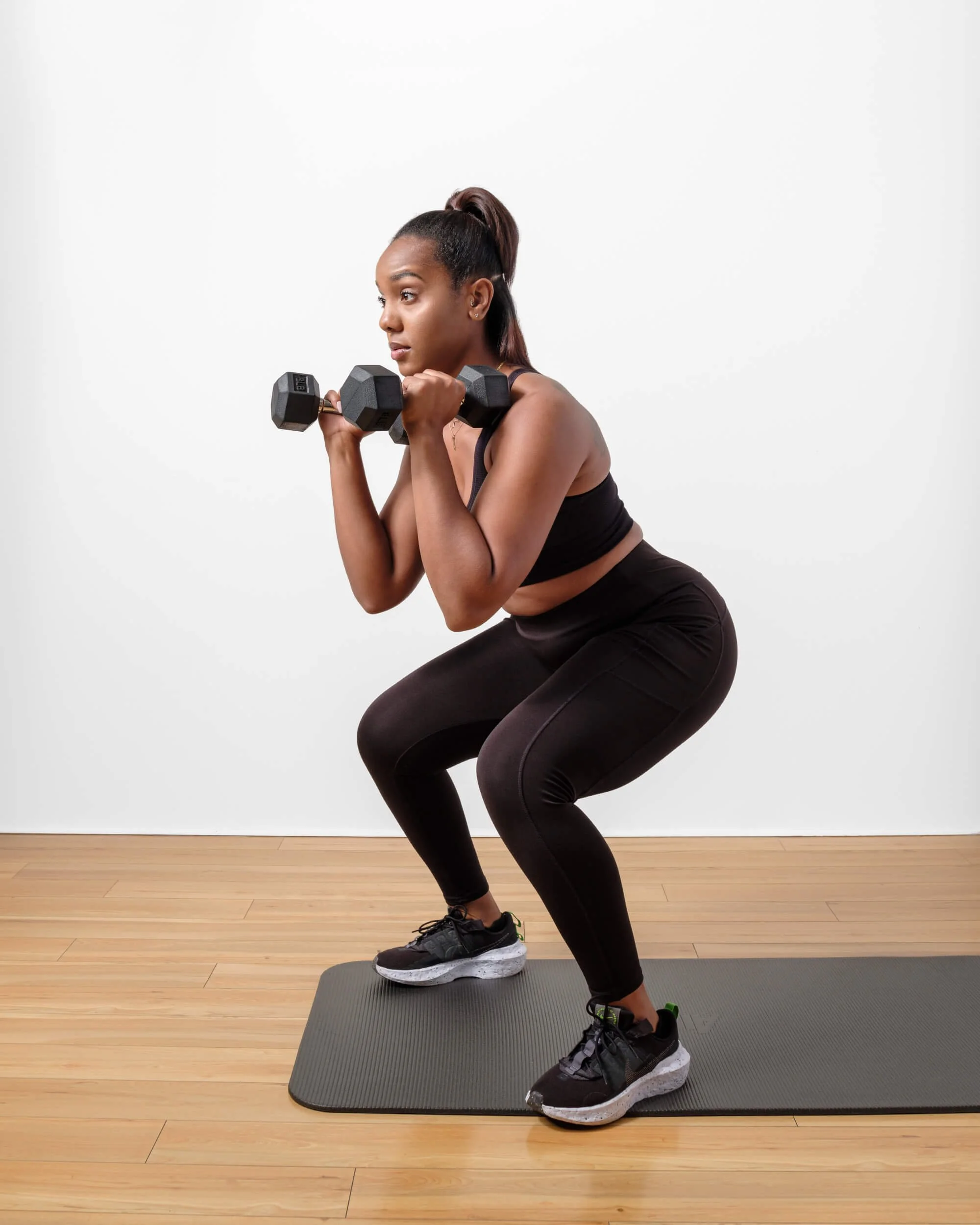
You're finally seeing the number on the scale drop. After months of trying everything—cutting carbs, tracking every calorie, squeezing in cardio between venue visits and cake tastings—your doctor prescribed Ozempic or Mounjaro, and the weight is coming off. You should feel amazing, right?
But here's what nobody warned you about when you started this bridal fitness journey: You're also getting weaker. Your arms feel softer when you're trying on dresses. Climbing stairs at your venue walkthrough leaves you winded. That muscle definition you worked so hard for? It's disappearing along with the fat. You're losing weight, but you're also losing something precious—your strength, your energy, the powerful feeling you deserve as you walk down the aisle.
If this sounds familiar, you're not imagining it. And you're definitely not alone. Let's talk about what's really happening—and more importantly, what you can do about it.
The Truth About GLP-1 Medications and Muscle Loss for Brides
Let's be clear from the start: GLP-1 medications like Ozempic (semaglutide) and Mounjaro (tirzepatide) can be powerful tools for weight loss and blood sugar management. They work by mimicking hormones that regulate appetite and insulin, leading to significant weight reduction. For many brides juggling wedding planning stress and wanting to feel confident in their dress, these medications can feel like a game-changer.
But here's what often gets left out of the conversation with your doctor:
When you lose weight rapidly without resistance training, up to 25-40% of that weight loss can be muscle—not just fat.
Research published in The Lancet Diabetes & Endocrinology found that participants using GLP-1 medications for weight loss experienced significant lean body mass reduction alongside fat loss. Without intentional muscle preservation strategies, the scale goes down, but so does your metabolic rate, bone density, and functional strength.
Think about what that means for your wedding day: You're losing the very tissue that gives you energy to dance all night, strength to stand with confident posture in your gown, and stamina to enjoy every precious moment without feeling exhausted.
The Cleveland Clinic emphasizes that maintaining muscle mass during weight loss is critical for long-term metabolic health and preventing weight regain—something every bride wants as she moves beyond the wedding into married life.
Here's the reality: If you lose 30 pounds and 40% of it is muscle (that's 12 pounds of lean tissue), you've just made it significantly harder to maintain your results. Your body now requires fewer calories to function, your capacity for movement has decreased, and you may not have the strength and energy you dreamed of for your big day.
Why Muscle Loss Matters More Than You Think (Especially for Brides)
Muscle isn’t just about aesthetics or fitting into your wedding dress. It’s metabolically active tissue that powers everything you want to feel and do on your wedding day and beyond:
Burns calories at rest – More muscle = higher resting metabolic rate, which means you can maintain your results without extreme restriction
Regulates blood sugar – Muscle is the primary site for glucose disposal, keeping your energy steady throughout wedding festivities
Protects bone density – Especially crucial for women; strong muscles support strong bones as you age
Prevents injury – Strong muscles stabilize joints and support movement, so you can dance and celebrate without pain
Maintains independence and vitality – Functional strength for standing through your ceremony, dancing at your reception, and living your best life
When you lose muscle mass during rapid weight loss, you’re essentially slowing down your metabolism while reducing your body’s ability to process food efficiently. You might also notice:
Less energy for wedding planning and workouts
Feeling winded or fatigued more easily
Difficulty maintaining your weight loss
Loss of the toned, sculpted look you want in your dress
As we explored in our guide to women and weightlifting, “Building significant muscle requires a lot of effort and a specific diet—this is not your goal!” Instead, you’ll build lean, sculpted strength that makes you feel powerful and confident as you walk down the aisle.
The Strength Training Solution: Non-Negotiable for Brides on GLP-1s
This is where strength training becomes absolutely essential—not optional, not “nice to have,” but non-negotiable if you want to feel strong, energized, and radiant on your wedding day.
Resistance training during weight loss sends a powerful signal to your body: “We need this muscle. Don’t break it down for energy.” It’s the difference between losing weight and losing fat while preserving or even building the lean tissue that keeps you strong, capable, and metabolically healthy.
What Strength Training Does While You’re on GLP-1 Medications:
Preserves Lean Muscle Mass
According to the American College of Sports Medicine, brides-to-be should engage in strength training at least twice per week to build muscle and boost confidence. Even two sessions per week of progressive resistance training can significantly reduce muscle loss during a caloric deficit and rapid weight loss.
Protects Your Metabolism
By maintaining muscle tissue, you keep your resting metabolic rate higher, making long-term weight maintenance more achievable—so you can enjoy your honeymoon and married life without obsessing over every bite.
Improves Body Composition
Instead of just becoming a “smaller version” of your current shape, you can actually reshape your body—less fat, more defined muscle, better functional capacity. Think toned arms in your strapless gown, a strong back in that open-back dress, confident posture as you say “I do.”
Supports Bone Density
Weight-bearing exercise signals your bones to stay strong, which is especially important if you’re losing significant body weight (your bones are adapting to carrying less load).
Maintains Functional Strength
You want to wear your wedding dress with confidence and poise, dance for hours, travel on your honeymoon without exhaustion, and move through life with energy. Muscle makes that possible.
Enhances Insulin Sensitivity
Even beyond what the medication provides, strength training independently improves how your body processes glucose—a win-win for metabolic health and sustained energy throughout your wedding day.
What Strength Training Actually Looks Like for Busy Brides
I know what you're thinking: "Tammy, I barely have time to finalize my seating chart and confirm the florist—how am I supposed to add strength training to my schedule?"
Here's the thing: you don't need a complicated program or hours in the gym. What you need is consistency with the basics and a willingness to challenge yourself in ways that feel sustainable for your life.
Your Bridal Strength Training Action Plan:
1. Start with Two to Three Strength Sessions Per Week
Nothing extreme, just regular. Focus on compound movements that work multiple muscle groups at once: squats, deadlifts, presses, rows, and lunges. These give you the most benefit for your time and build the kind of functional strength that translates to real life (and real wedding moments).
2. Lift Weights That Actually Challenge You
Not so heavy that your form breaks down, but heavy enough that the last few reps feel hard. That’s where the magic happens—that’s the signal your body needs to hold onto muscle. And remember what we discussed in our post about weightlifting myths: you’re not going to “bulk up” or look “manly.” You’re going to look strong, sculpted, and confident.
3. Prioritize Protein at Every Meal
Your appetite might be lower because of the medication, but protein is non-negotiable if you want to preserve muscle. As we covered in our nutrition tips for brides, aim to include quality protein at every meal—Greek yogurt at breakfast, chicken or fish at lunch, a quality protein source at dinner. If eating enough feels challenging, a protein shake can help bridge the gap.
4. Rest and Recover Intentionally
Your muscles don’t grow in the gym—they grow during recovery. Sleep, hydration, and actual rest days are part of the process, not obstacles to it. Wedding planning is stressful enough; give your body the recovery it needs to build strength.
5. Track Progress Beyond the Scale
Stop measuring success solely by the number on the scale. Track how much weight you’re lifting. Notice how your clothes fit. Pay attention to how you feel—your energy, your confidence, your ability to move through daily life (and wedding tasks!) with ease. Those are the metrics that actually matter.
6. Work with a Bridal Fitness Coach Who Understands Your Journey
You don’t have to figure this out alone. A qualified bridal fitness coach can create a personalized plan that fits your timeline, your goals, and your unique body—especially when you’re navigating GLP-1 medications and want to protect your muscle while losing fat.
A Mindset Shift: Redefine Wedding Success
Here’s the empowering reframe: Your goal isn’t just to weigh less on your wedding day. It’s to be strong, capable, energized, and radiant for the long haul.
Instead of celebrating only the number dropping on the scale, celebrate:
Lifting heavier than you did last month
Feeling energized instead of depleted as you cross tasks off your wedding checklist
Seeing muscle definition emerge in your arms, shoulders, and back
Moving through daily life—and your wedding day—with ease and confidence
Knowing you’re protecting your bones, metabolism, and future self
GLP-1 medications can be part of your health journey. Strength training ensures that the journey leads to a destination of strength, vitality, and confidence—not just smallness.
You’re not just preparing for a dress. You’re preparing to feel powerful, capable, and absolutely radiant as you walk down the aisle and step into your married life.
When You’re Ready for Expert Guidance
If you're taking Ozempic or Mounjaro and ready to protect your muscle while you lose fat, you don't have to figure this out alone.
Our Bridal Fitness Coach Method™ is designed specifically for brides like you—busy, determined, and deserving of expert support. We specialize in helping brides build strength that lasts, especially during major body transitions, such as when using GLP-1 medications.
What You’ll Get:
Timeline & Goal Assessment
We map your wedding date, current baseline, and desired outcome into a custom plan.
Structured Strength Phase - Strength training to reshape, tone, and sculpt your body for the dress.
Nutrition Integration - Practical macro and meal guidance to fuel energy, speed recovery, and reveal definition.
Progressive Reviews - Regular check-ins, measurements, and adjustments for consistent progress.
Wedding-Week Refinement - Final tweaks so you walk in confident, strong, and radiant.
(As reflected on the home page)
Whether you’re working with us virtually from anywhere in the world or training in-person at our Private Women’s Gym, we’re here to support you every step of the way.
Ready to feel your absolute best—strong, confident, and radiant—on your wedding day? Start Your Bridal Fitness Plan. Together, we’ll create a plan that ensures you’re not just lighter, but stronger, healthier, and more empowered as you walk down the aisle.
This article is meant to inform, inspire, and support your wellness journey, not to replace professional medical advice. Please consult with your licensed healthcare provider before making any changes to your health or fitness routine, especially if you’re taking prescription medications.